

.jpg?width=200&height=94 "Sea View Accommodation")
.jpg?width=200&height=94 "Outdoor Adventures")
.jpg?width=200&height=94 "Events")


.jpg?width=200&height=94 "Traditional Tastes")

.jpg?width=200&height=94 "Community")
.jpg?width=200&height=94 "History & Heritage")


The Cape Clawless Otter, recognised as the African Clawless otter, is the second largest fresh water otter. Although this amazing otter is only classified as ‘Least Concern’ on the IUCN’s Red List, the clawless predator is receiving quite a lot of attention as a potential indicator for water pollution in its habitats.
Although the Cape Clawless otter offers such a great potential indicator of water pollution in the Western Cape, and in other habitats throughout South Africa, little research has been done on the animal to be able to prove or develop this idea. The University of Cape Town is currently leading the research being done on the biology, distribution and conservation status of the Cape Clawless otter in the Western Cape, yet there is currently no “baseline data upon which to assess the combined effects of habitat loss and pollution of aquatic ecosystems on the distribution, abundance and health of otters,” reports the leaders of the UCT Cape Clawless Otter project.
With webbed, clawless feet, a thick chestnut fur and a silky belly, the Cape Clawless otter makes most of sub-Saharan Africa its home. Wherever there are largely permanent water bodies, particularly in savannah and forest areas, these beautiful mammals claim home. Their white facial markings, which run down their throat and chest, are often the giveaway characteristic for these otters, catching the moonlight at night or standing out amongst the green and brown landscapes during the day.
Despite their easy to spot markings, they are shy, nocturnal animals that are rarely seen unless sought after. Their extreme territorial behaviour means that they are usually lonely animals, but these otters can sometimes be found in small groups sharing a territory. Even more intriguing than seeing two otters together is seeing the graceful movement of one in the water. While they are awkward and humorous to watch on the land, they are simply impressive in the water.
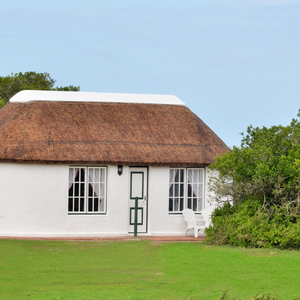
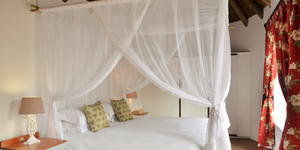
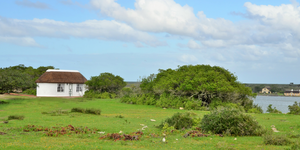
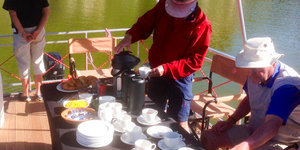
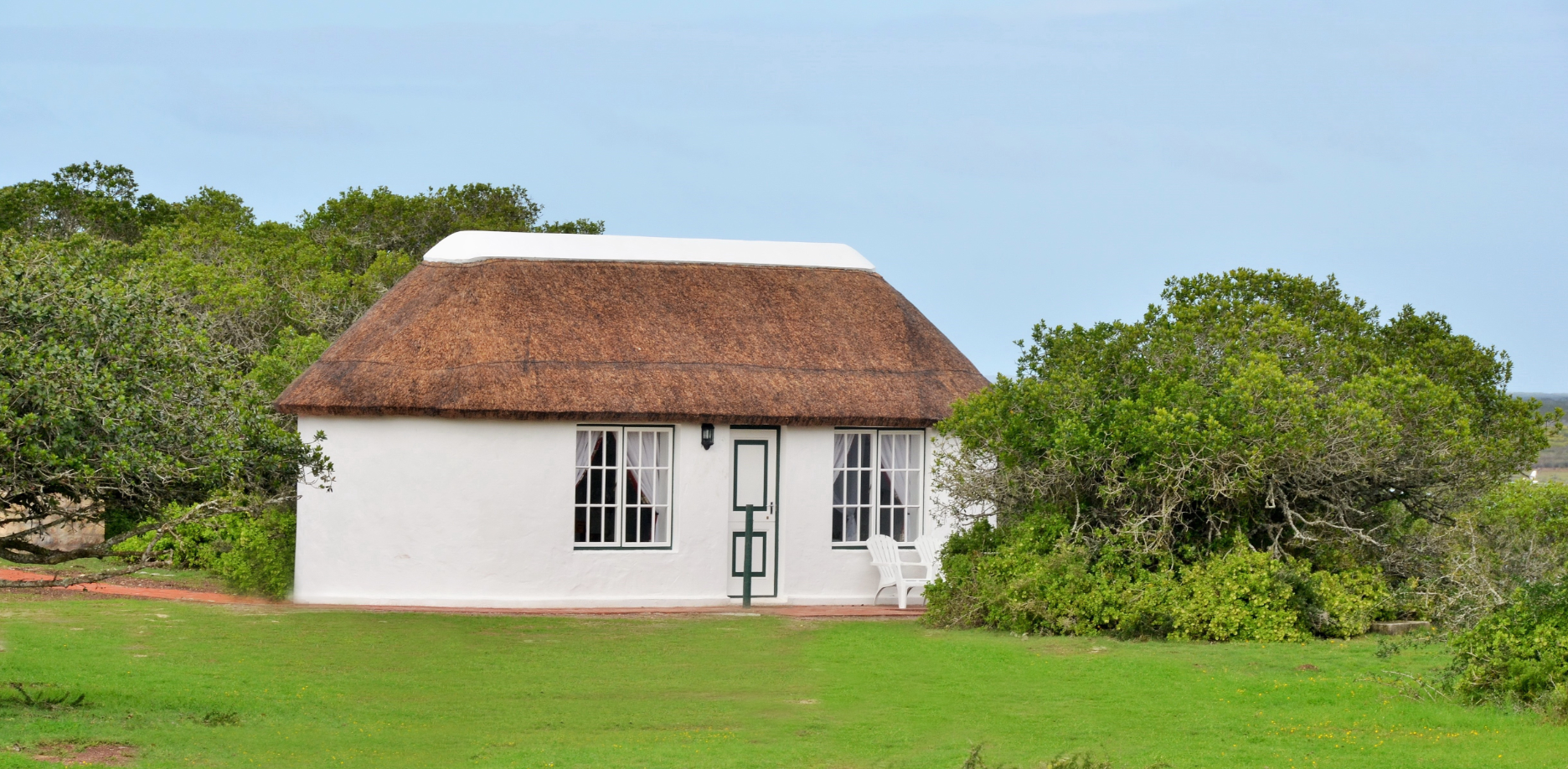
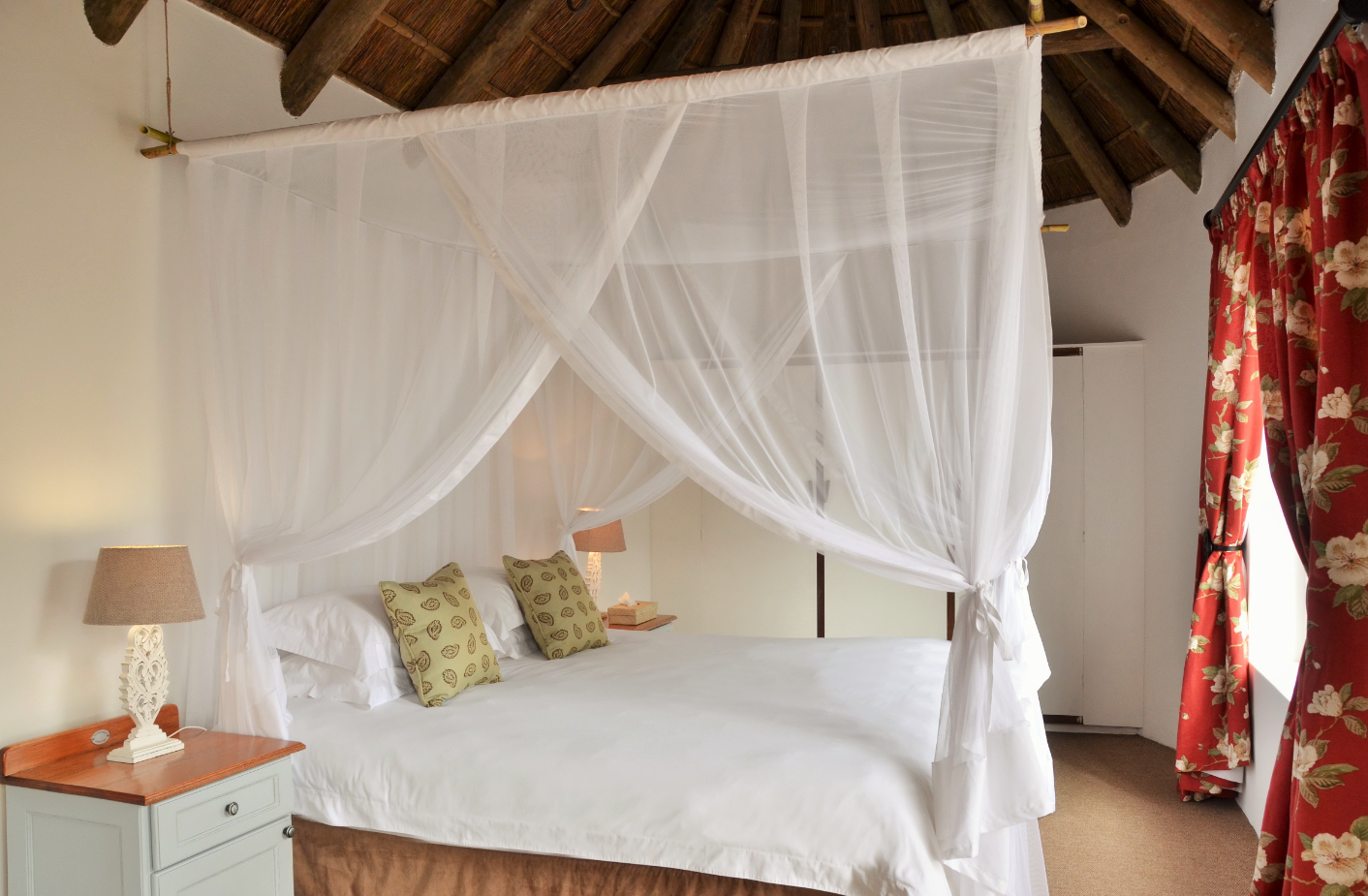
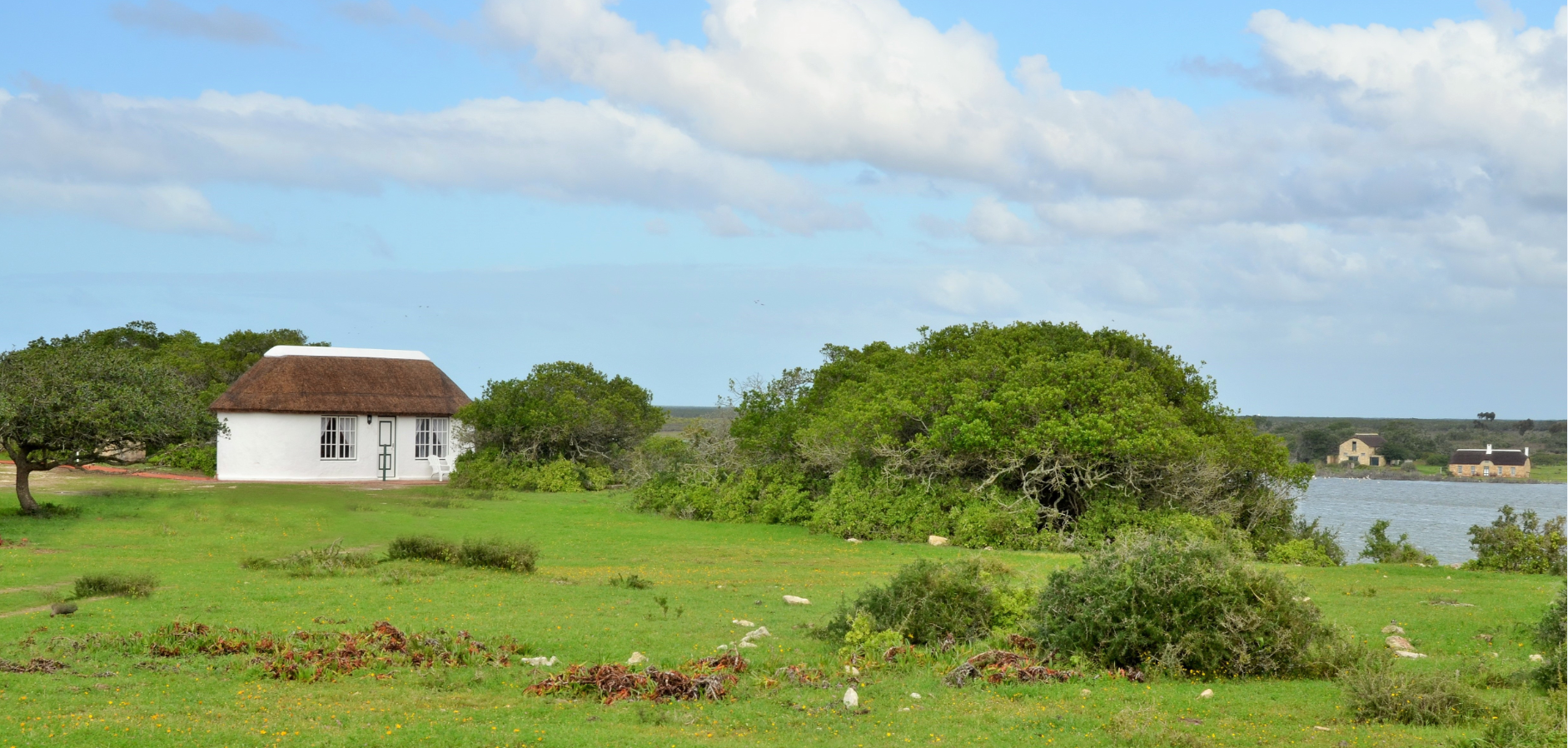
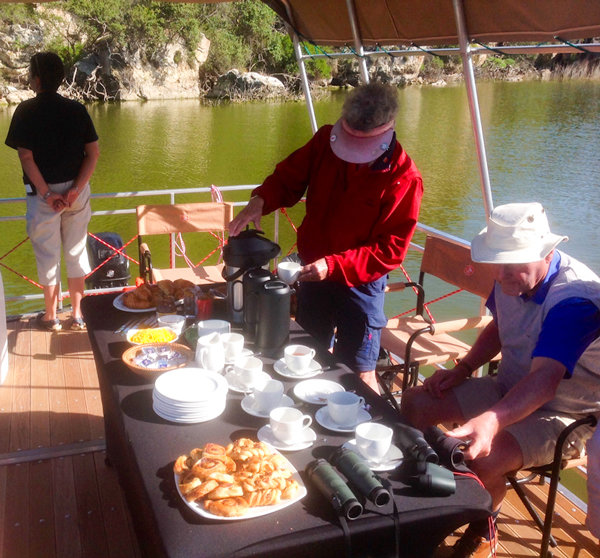
Meander the vlei on one of our Eco-Boat Cruises, and you just might catch a glimpse of one of these remarkable creatures. Our newly built Otter suites offer prime position with views of the vlei, where you just might be fortunate enough to spot these creatures while sipping your morning coffee.