


Not Afraid
“This is it? You’ve got to be kidding.”
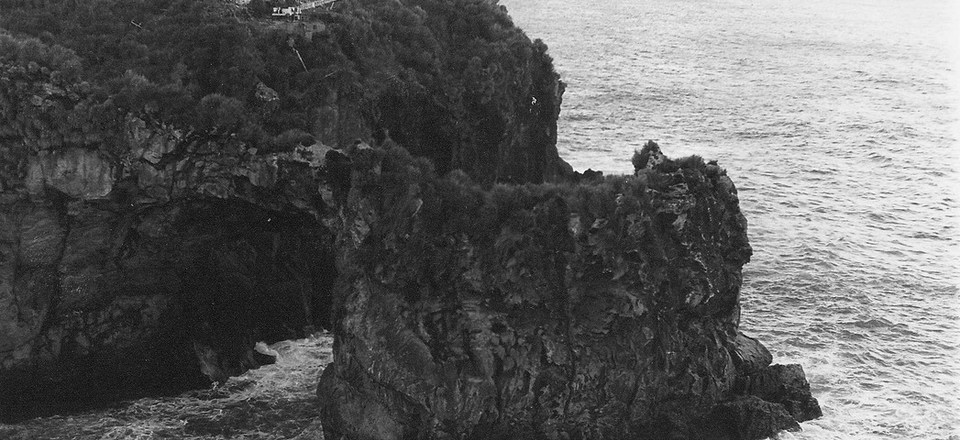
Forty years ago, Gough 26 was the last team to arrive on the island by crane and the first to leave in a chopper.
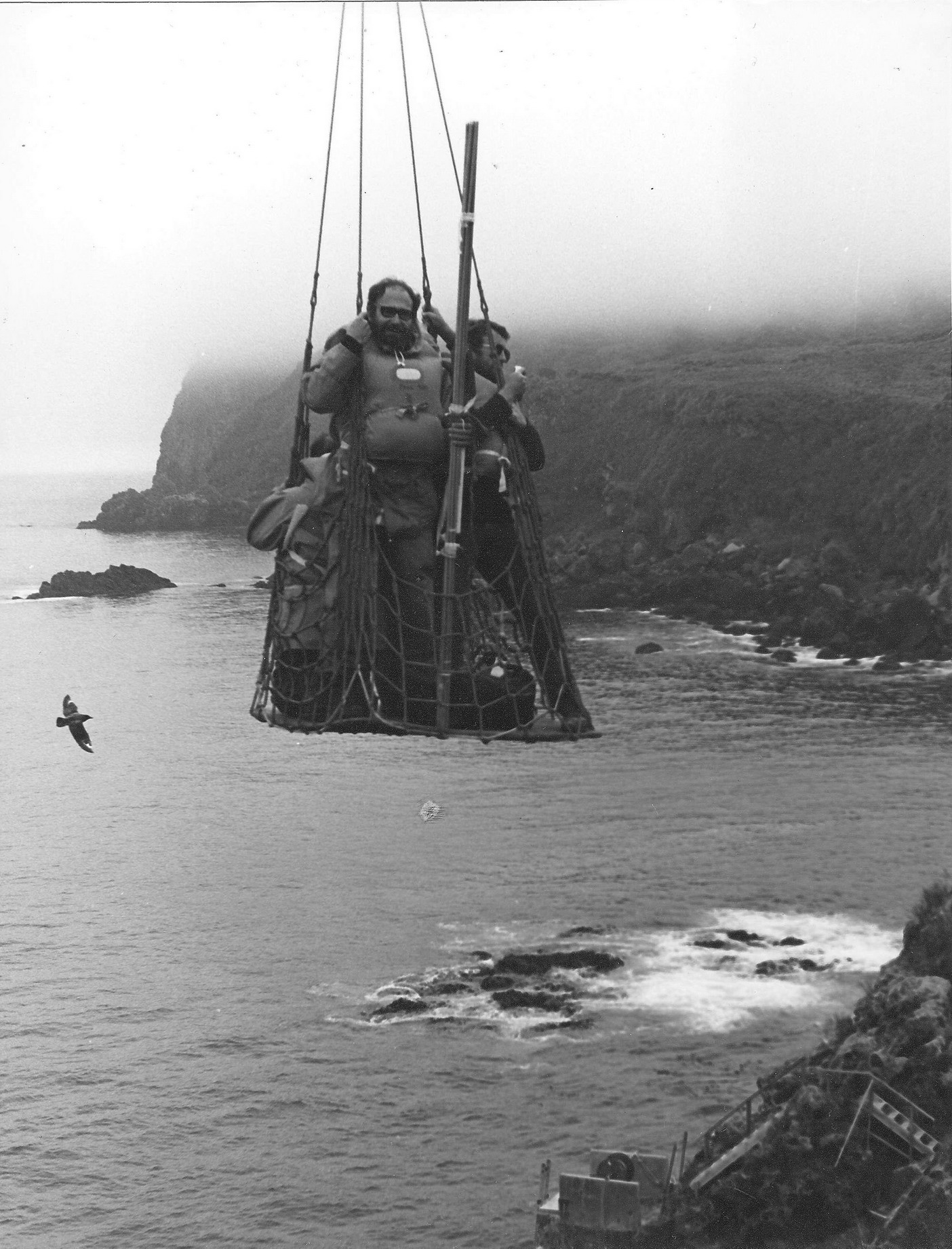
The coastline of Gough Island consists almost entirely of sheer cliffs. The only place for a boat to land is on a narrow boulder beach in Quest Bay. This is where the first base was established in the early 1950's. Situated at the bottom of a steep gorge known as The Glen, and hemmed in by walls of volcanic rock, it was no site for a weather station. The single piece of coastal plateau where buildings and a radio mast could be erected was the relatively level area above Transvaal Bay. To overcome the problem of bringing supplies, construction material, as well as personnel, to the new site, a crane was positioned on the clifftop forty meters above the sea. From then on, everything that came ashore was transported by raft from ship to the base of the cliffs and then hoisted up on a pallet in a rope net. This proved a laborious, time-consuming process and only possible when the sea was calm.
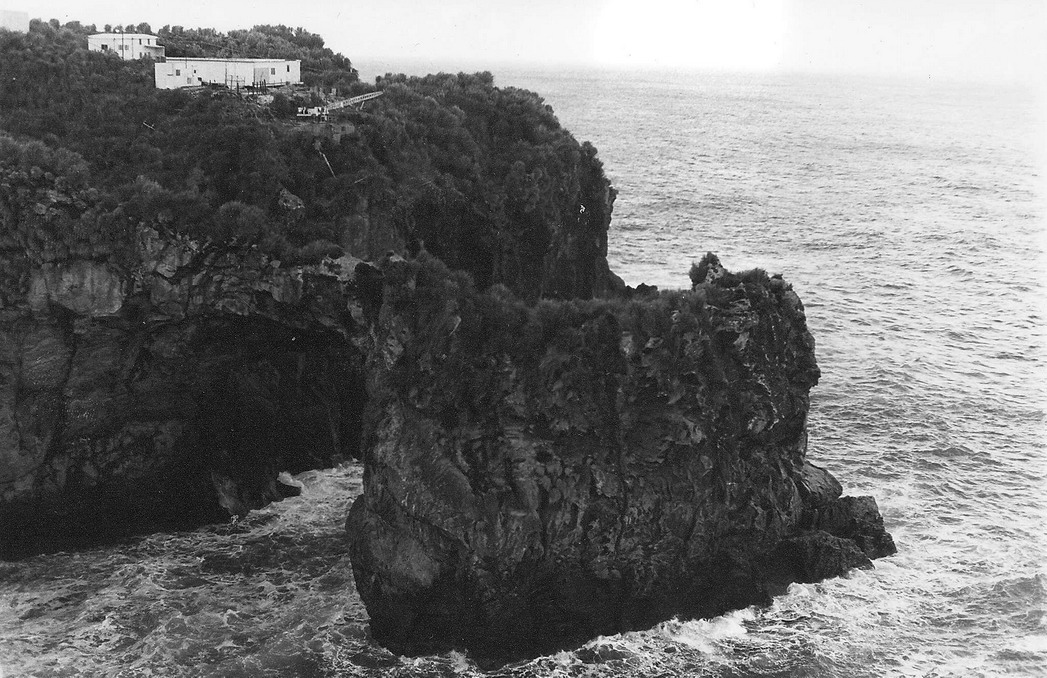
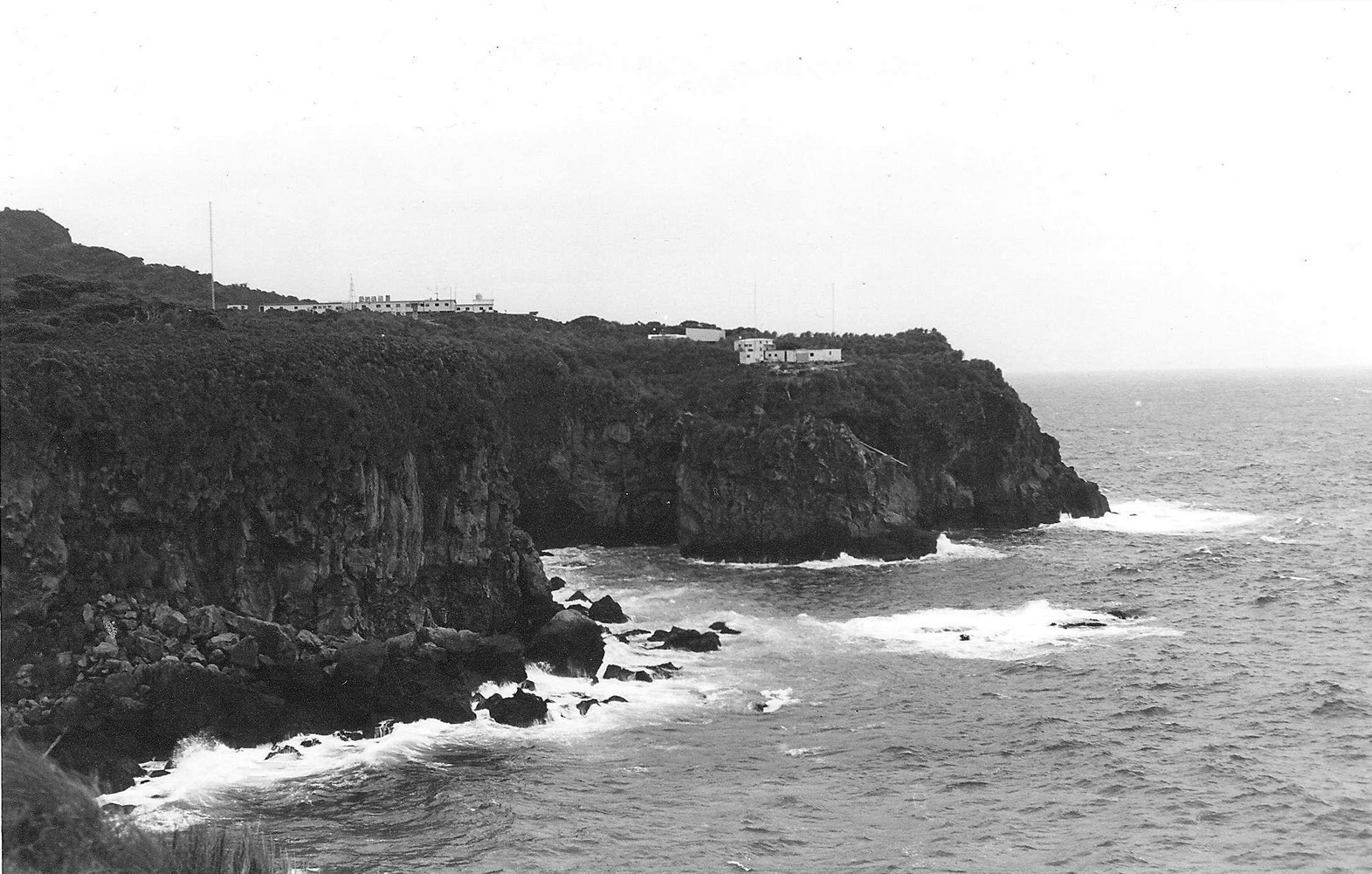
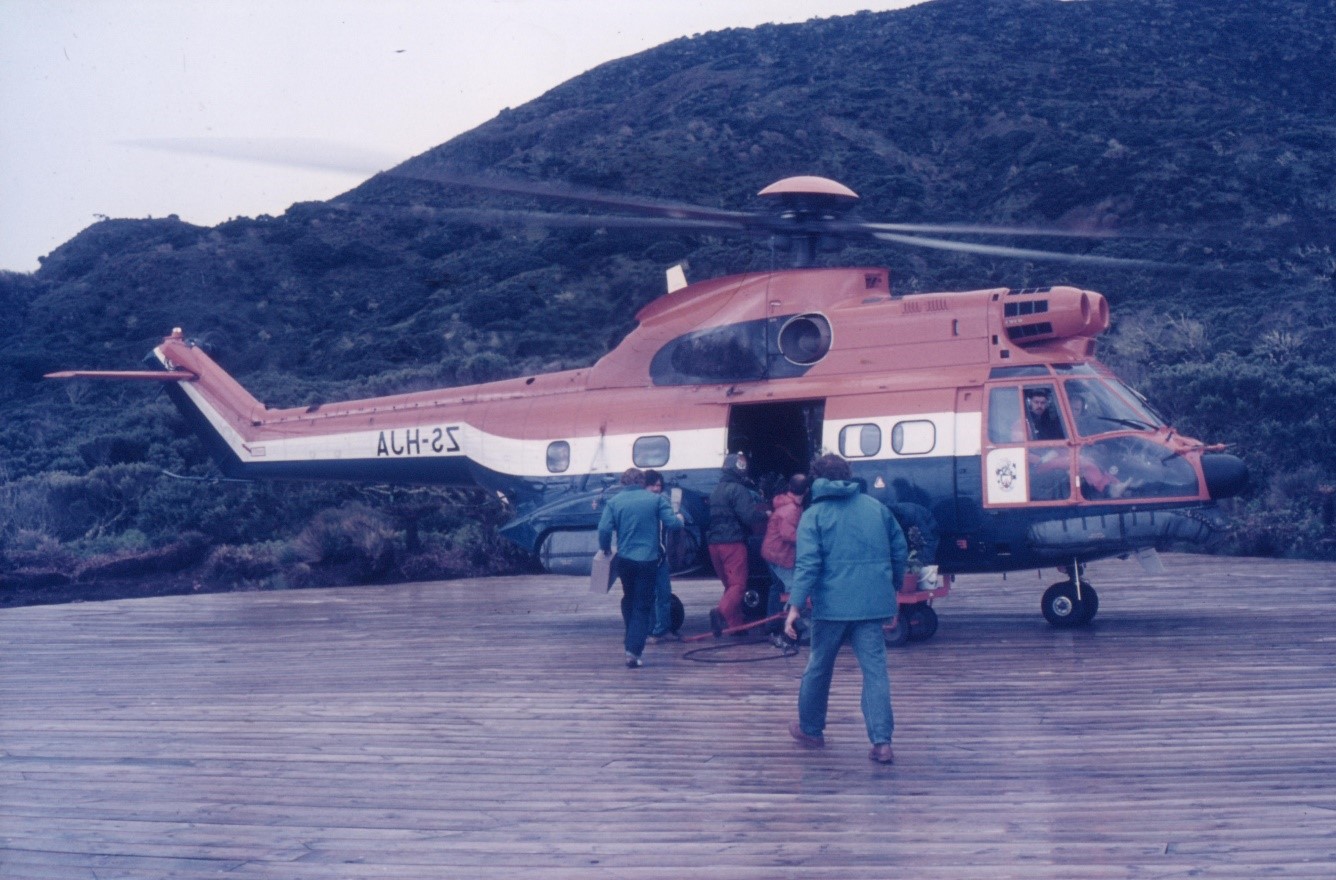
There was mounting pressure to switch to the use of helicopters in the replenishment and maintenance operations that took place every twelve to fifteen months. An obstacle to this change was the absence of a safe landing area on the island, there being no such thing as firm ground. Everywhere was covered in ferns and waterlogged moss riddled with nesting burrows. In the late 1970’s it was decided to build behind the base a floating platform that could serve as a stable helipad. It was to consist of 3m x 2m interlocking polystyrene sections placed on the unstable surface to form a raft. For greater stability and durability this would be covered with timber planking.

As the material was offloaded from the ship, we formed teams of four and spent three days carrying the foam sections and the bundles of planks from the landing stage in front of the crane to the helipad site. The contingent of PWD (Public Works Department) artisans then set to work constructing the helipad on the area that we had helped to clear of ferns and level with mattocks and spades.
Once the work had been completed, the workers and scientists caught the last crane and the Agulhas departed for Cape Town, leaving us to our welcome solitude.
The brand-new helipad served as a spacious exercise area until the ship returned and the first helicopter landed on the island.
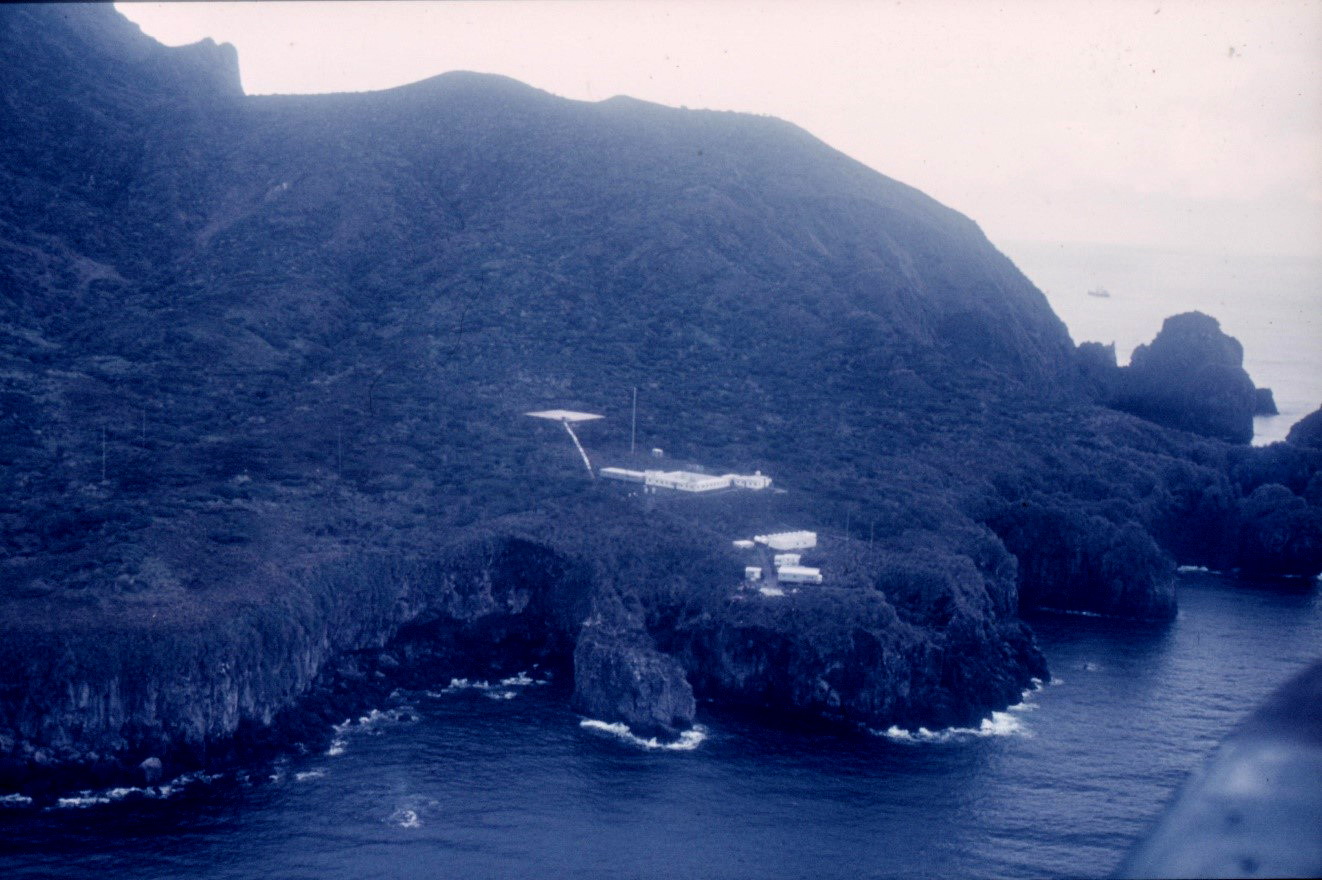
Looking back at the island before landing on the Agulhas and returning to Cape Town.
This is my writer's blog and it's a pleasure to have your company. You’ll see that the site is designed to showcase my writing.
View ProfileXplorio is your local connection allowing you to find anything and everything about a town.
Read MoreShe agreed to cohabit with me only once we were married. Accordingly, after the performance of some Christian retuals and the completion of the necessary legal formalities, I held her to her word, she gave up her job and we set up home in the cottage...
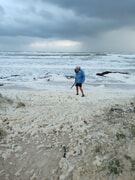
To make up for disrupting power supply for three days, the recent winter storm generated a massive amount of sea foam and drove it ashore on Monday.
A crystal radio receiver, also called a crystal set, is a simple radio receiver popular in the early days of radio.
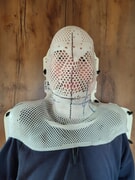
Doctor D phoned to say that the PET scan showed my lungs to be clear except for a non-malignant nodule, which meant curative treatment of the cancer in my neck could proceed.
Next to the cement step at the kitchen door was a foot scraper. This was a series of metal strips spaced about an inch apart on which to scrape off the mud from the soles of our shoes.