


Not Afraid
“This is it? You’ve got to be kidding.”
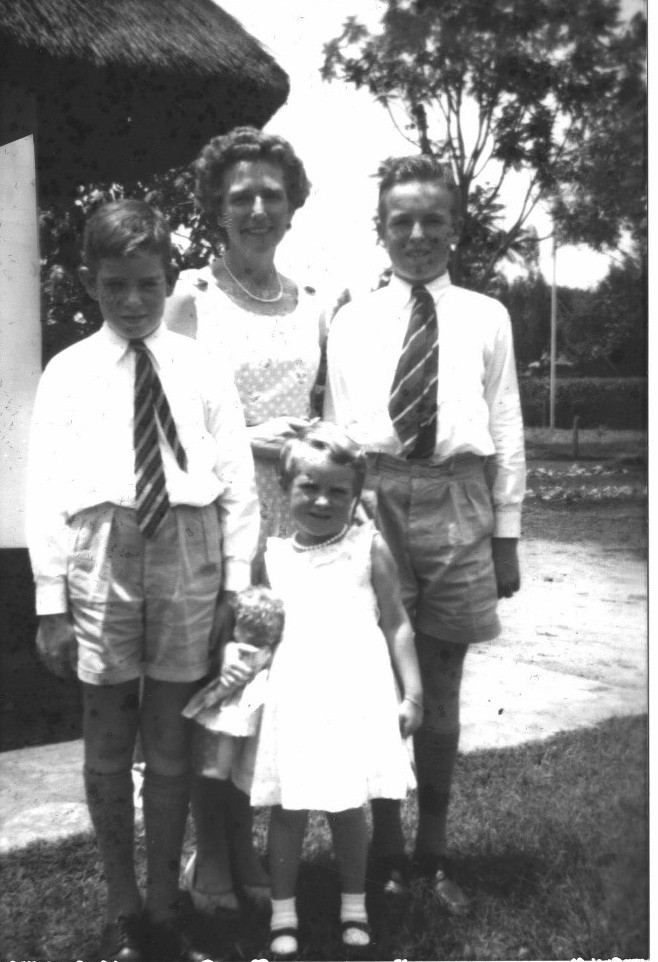
My father must have taken this photograph at some time in 1958. Alan and I are wearing the same school ties, which means he was 12 and in Standard 5, while I was 7 and in Standard 1. Jean would have been going on 3 and my mother was 38. I am round-shouldered and miserable looking, Alan is truculent, holds himself stiffly erect and refuses to smile for the camera, much to my father’s annoyance. Jean is a toddler holding a doll under her right arm. My mother wears a pearl necklace and has removed her spectacles for the picture. She looks just a little care worn.
Behind us is the house where we lived for the eight years we were in Rhodesia. The address was 931 Grey Street in the suburb of Windsor Park. All the houses in Windsor Park were pises (pronounced pee-zay) that had been built after the War to accommodate European immigrants who had been encouraged to settle in the colony. Due to a shortage of conventional building material and in order to reduce costs the pise de terre (rammed earth) method of construction was used. Poles were planted at corners and set intervals and the spaces in between were filled with compacted earth contained within temporary shuttering. When the material had dried and set hard the shutters were removed and the walls were plastered with cement and sand mortar. The steep roofs were made from pole trusses covered with thatch and topped with a lightning conductor. Externally, all the houses were whitewashed down to a three-foot-high skirt of black oil paint. Because there were no gutters the tropical cloudbursts would cause torrents of rain to fall from the eaves and splash red mud against the house. A garden boy could then brush dried mud off this black paint.
I later learned that these pise-de-terre houses had cost between £660 and £1,040 and had helped to accommodate the 60,000 new settlers between 1946 and mid-1950. Monthly rental had ranged from £7.15s to £10.5s.
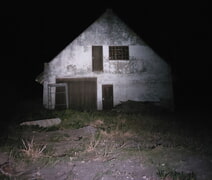
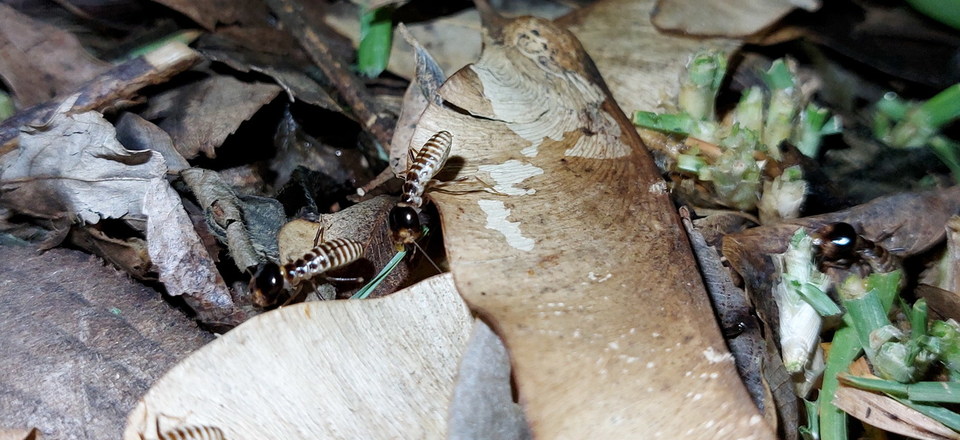
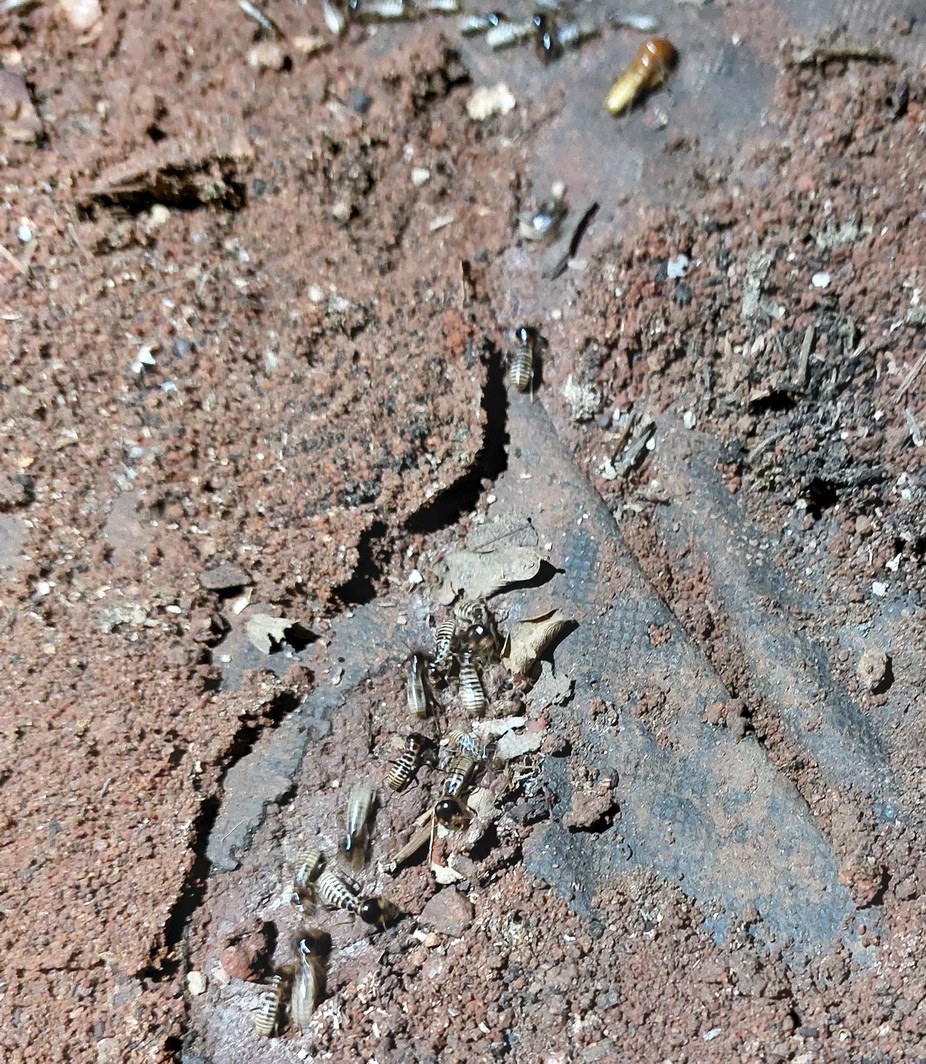
Long before we left Gwelo at the end of 1963, the white ants (termites) had moved in and started eating the wooden door frames. Beneath the skin of pale green oil paint whole sections were being hollowed out.
My father left by train for South Africa at the beginning of that year. He returned to Fish Hoek, found a job and built a house on the mountainside overlooking the valley where we had originally stayed.
For a second time my mother had to pack up, find a removal company to transport our household contents south, and to sell the house. By then, the white ants were in the walls and the roof, and all she could get for the pise was £100.
This is my writer's blog and it's a pleasure to have your company. You’ll see that the site is designed to showcase my writing.
View ProfileXplorio is your local connection allowing you to find anything and everything about a town.
Read MoreShe agreed to cohabit with me only once we were married. Accordingly, after the performance of some Christian retuals and the completion of the necessary legal formalities, I held her to her word, she gave up her job and we set up home in the cottage...
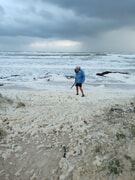
To make up for disrupting power supply for three days, the recent winter storm generated a massive amount of sea foam and drove it ashore on Monday.
A crystal radio receiver, also called a crystal set, is a simple radio receiver popular in the early days of radio.
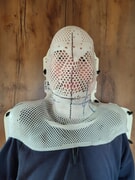
Doctor D phoned to say that the PET scan showed my lungs to be clear except for a non-malignant nodule, which meant curative treatment of the cancer in my neck could proceed.
Next to the cement step at the kitchen door was a foot scraper. This was a series of metal strips spaced about an inch apart on which to scrape off the mud from the soles of our shoes.